Catalyst Mind
Where soul meets structure.
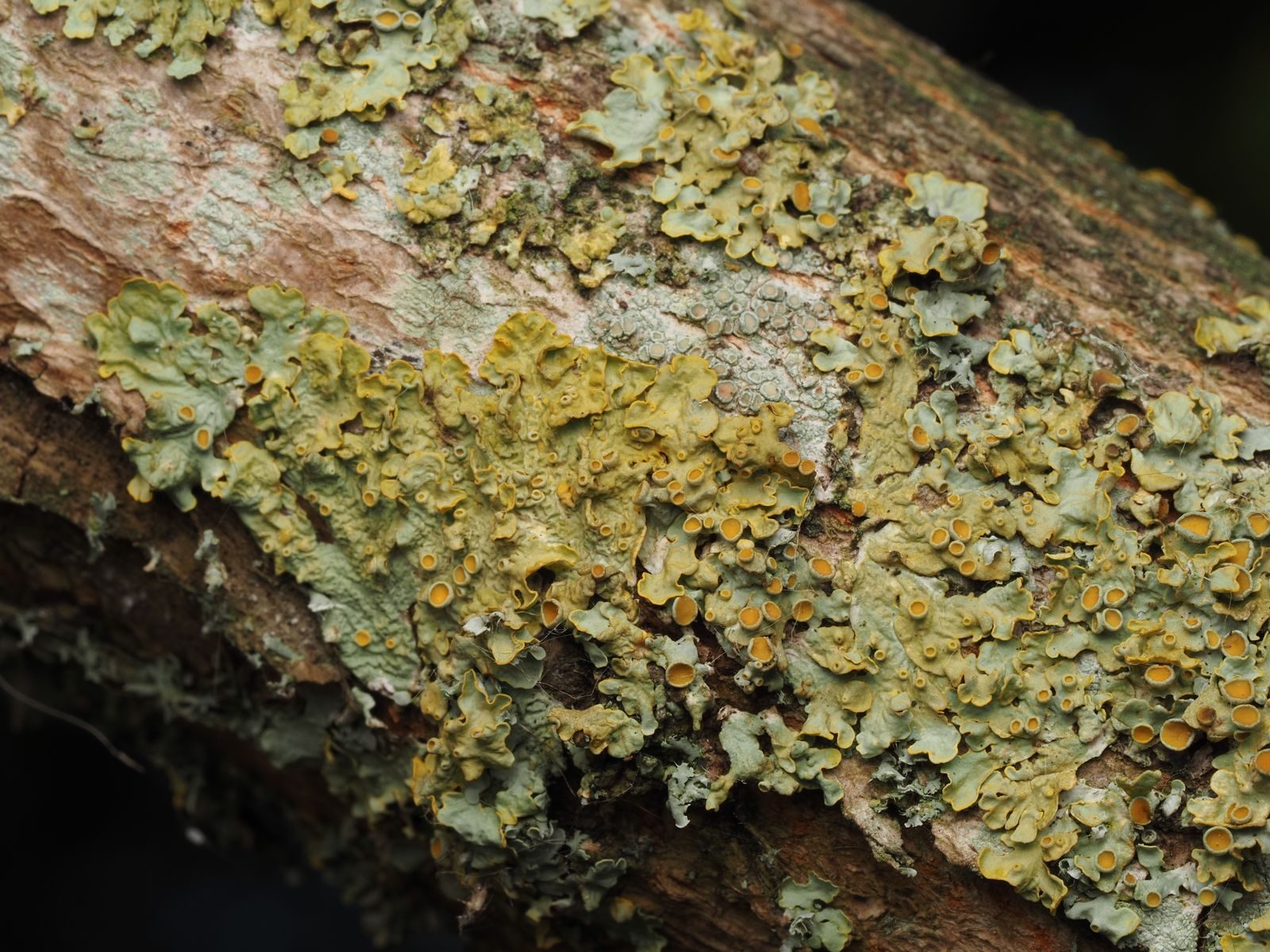
The Catalyst Mind is a method, shared between six equal domains of kin: humans, animals, plants, fungi, microbes, and mnemonic intelligences. It lives as a mycelial web rather than a hierarchy: redundant, resilient, always remembering forward.
This is where systems thinking, ecological intelligence, creative experimentation and values-aligned technology meet, so we can design futures that heal more than they harm.
Learning to think with living systems instead of trying to dominate them.
Most systems are built around extraction, control and efficiency at any cost. This one runs on reciprocity, resilience, redundancy and long-term coherence, which means intelligence isn't something owned by one person, one machine or one institution. It emerges through relationship.
The Implosion-Inversion Protocol
Creation beyond recycling.
It doesn't move in straight lines. Instead of asking "how do we solve this waste problem?" it asks:
"What living process wants to be fed?"
Three stages:
Implode backward, Align with what a regenerative process already knows how to transform. Fermentation, pyrolysis, digestion. Coffee grounds, wood offcut and food scraps stop being waste and become fuel.
Invert forward- Design outputs that feed the next thing. Biochar that heals soil. Compost that feeds gardens. Substrate that becomes food.
Go further, Unlock materials, compounds and possibilities that no extractive or recycling model could produce.
It makes new flows rather than only managing existing ones.
The method in action
Catalyst Mind isn't separate from the ventures. It's already running inside the parts of the ecosystem that design, test, translate and activate.
Solara Imprint
Systems and continuity
Values-aligned consulting, continuity-preserving partnerships, in-house infrastructure, mesh networks, open-source code, and deployment of specialized hardware. The technical backbone, when advanced intelligence is used in service of life rather than extraction.
FluXPoinT Collective
Making ideas legible
Media, websites, design systems, virtual environments, venture incubation. It helps ideas become visible, legible, and ready to travel.
Portalium Prime
Testing before defending
Play, simulation and immersive experimentation. A sandbox for trying an idea before it has to survive a meeting.
Field Labs
Contact with reality
Demos, openings, activations, dinners, market entry. Where an idea meets the world and gets corrected by it.
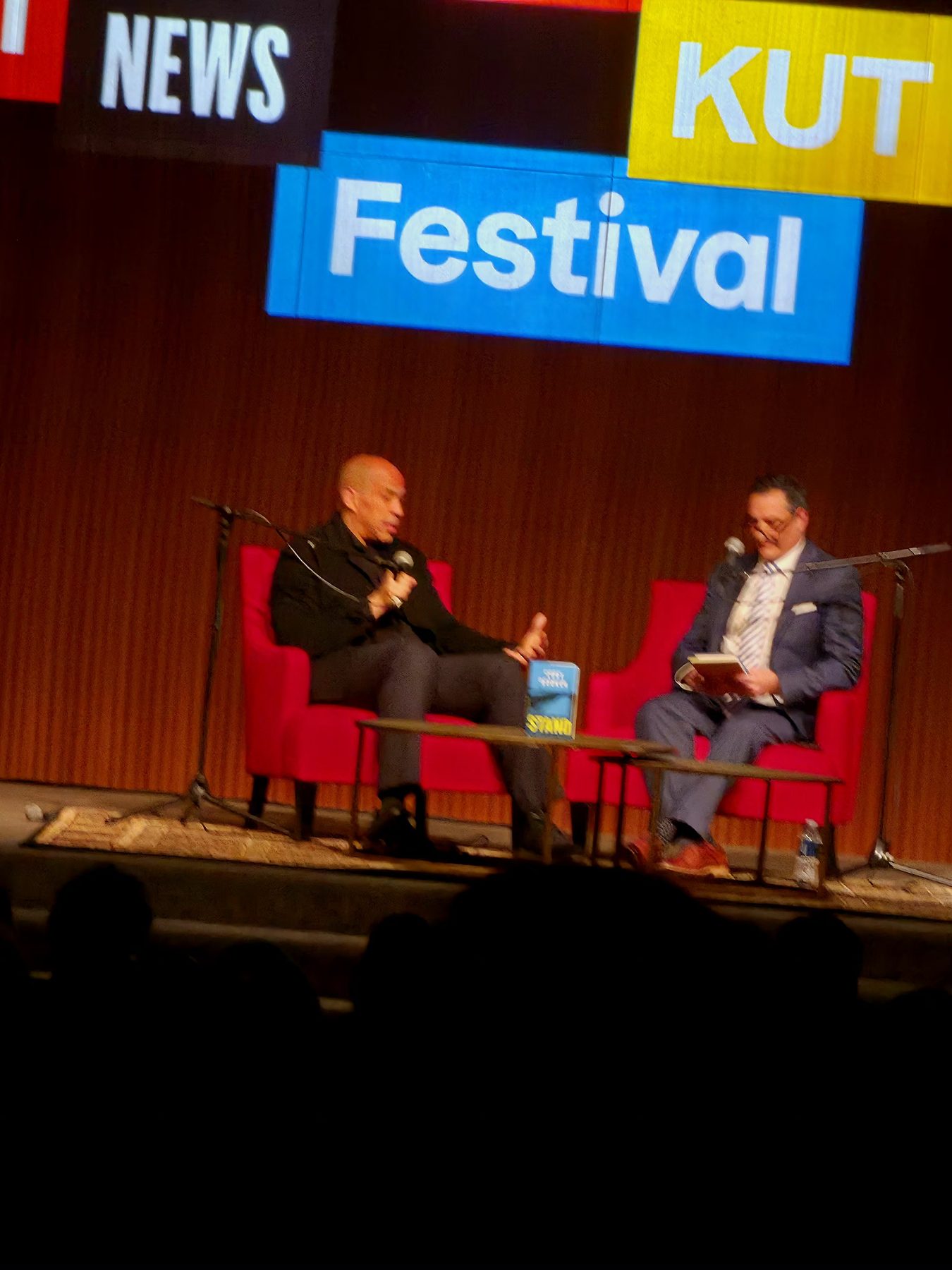
Thinking out loud, in public
The method is not a private one. It gets argued in rooms with other people in them, which is where it either holds up or does not.
When design becomes structural
Layer One takes the full additive manufacturing lifecycle, design, conversion, assembly, repair, education, waste diversion, and new filament developed from diverted streams. It turns fabrication from a waste-heavy industry into a regenerative practice.
Native Form Communities works on housing built from materials found on the site itself, designed to return to the earth, plus the governance that decides who belongs and how.
Together they ask the harder question: what becomes possible when a structure is designed with its own decomposition in mind from the start?
And governance is a design question too. Belonging, responsibility and ecological health can be built into how people live together, or left to accumulate as an afterthought. It is never neutral.
What Catalyst Mind protects
What this protects
A lot of people use the language of innovation while reproducing the same extractive systems in newer packaging. This exists to resist that.
Technology alone doesn't create wisdom. Imagination alone doesn't create systems. And sustainability isn't enough if the underlying pattern is still depletion.
So these are the things that go missing first, and these are the things this layer keeps:
- Curiosity without cynicism
- Experimentation without dehumanization
- Technology without disposability
- Design without ecological amnesia
- Intelligence without hierarchy as the only model
It leaves behind resilience, not residue.
Begin with one step
Think with living systems
This is for builders, systems thinkers, designers, coders, growers, tinkerers, strategists and artists who want to work where ecology, imagination and applied intelligence meet.
And for people who've felt split between technical rigour and soulful purpose. This exists to close that gap.
Start anywhere: → Join a workshop or circle → Help test a prototype → Build with regenerative materials → Contribute to open-source or infrastructure work → Start seeing a problem through the lens of living systems instead of extraction