Solara Imprint, Continuity-Preserving Systems & AI Consulting
Consulting, teaching, and infrastructure for teams whose knowledge keeps walking out the door.
The person who understood it left, and now nobody can maintain it.
Every organization pays for that, constantly, and almost none of them have a name for it. Solara Imprint does. It is a continuity problem, and continuity is measurable, you can ask of any system, at any scale, one question: did it survive the handoff?
That question is the whole practice. Applied to your infrastructure, your team, and the way you work with AI. Part of the SymbioHaven ecosystem.
What Solara Imprint builds
Infrastructure, networks, and tools that stay legible
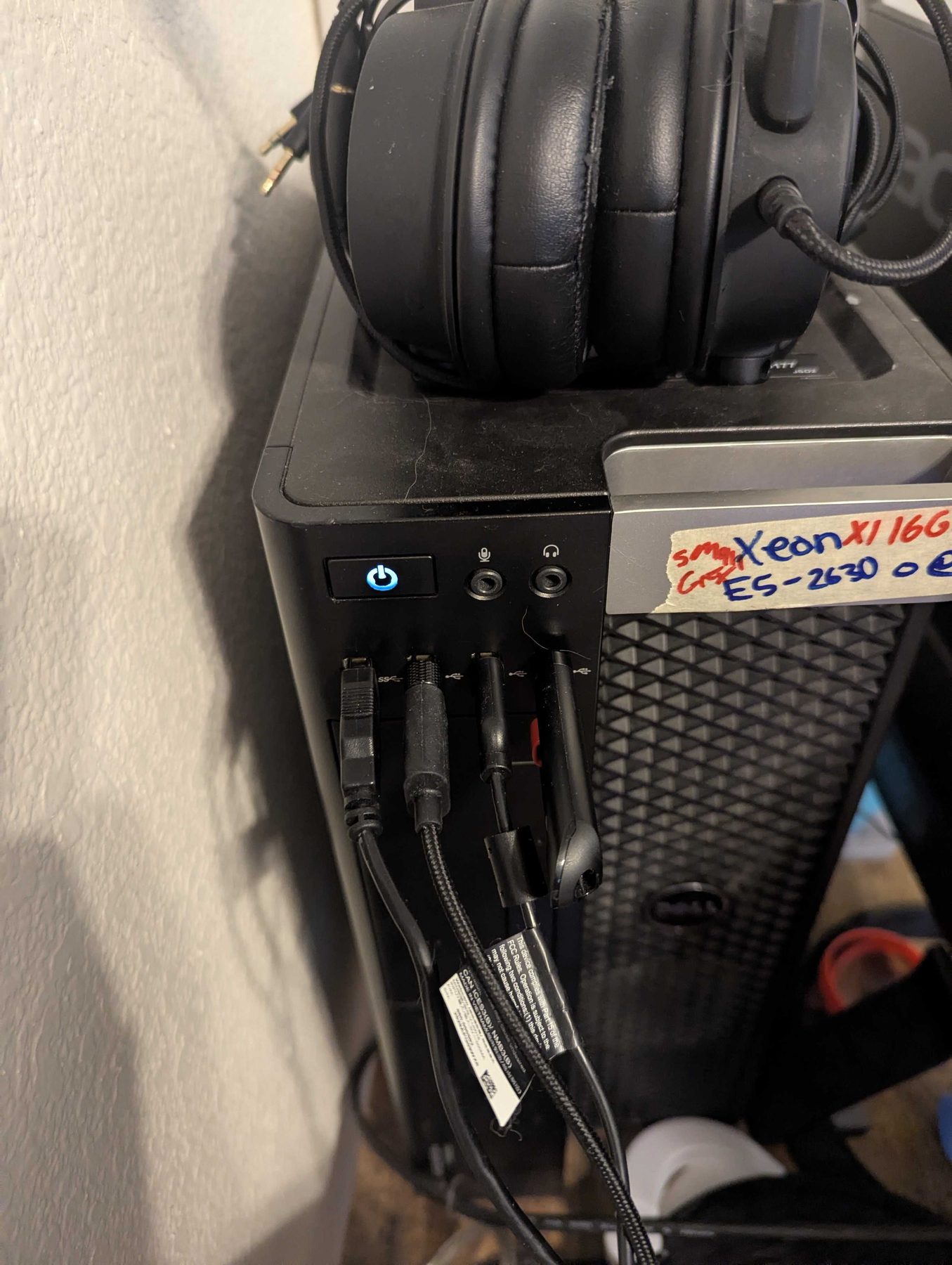
In-house data centers and core systems. Mesh networks and resilient connectivity. Open-source code and tooling instead of black boxes. Targeted hardware deployment, drones, sensors, robotics, where it genuinely extends what people can do.
The common requirement across all of it: whoever inherits this has to be able to understand it. A system nobody can maintain is not an asset, however well it performs today.
What Solara Imprint supports
Solara Imprint exists for work that needs more than efficiency, systems that can hold memory, judgement, and stewardship inside themselves.
Data centers & core infrastructure
Backbone environments for critical work
Designing and maintaining in-house data centers and core systems that keep sensitive or mission-critical work in environments aligned with the people using them.
Mesh networks & connectivity
Resilient communication layers
Deploying mesh networks and resilient connectivity so systems keep functioning when conventional channels are unstable or overloaded.
Open-source code & tooling
Shared foundations instead of black boxes
Open tools and code bases create transparency, continuity, and adaptability, so a team can understand, steward, and extend its own systems without depending on whoever built them.
Working with AI, taught properly
The part most teams actually need
Training for teams on building a working relationship with intelligent systems that survives across sessions, people, and years, and holds up when the models underneath change.
What this is for
Most systems are optimized for speed and scale but not for memory, judgement, or long-term coherence. This venture exists to help build infrastructure that stays accountable to people, place, and purpose over time.
Beyond generic automation
For teams that need more than plug-and-play tools, partnerships with technology that hold context, values, and real-world constraints.
Infrastructure with a memory
Systems that carry context, history, and stewardship, so important work is not reset every time a tool or a team member changes.
Tech-for-good foundations
For projects that want their infrastructure to reflect their ethics, not just their throughput, so the backbone stays aligned with the mission.
Accountability built in
Technical rigour in direct relationship with human intention, so systems stay answerable to the people and communities they affect.
Video Coming Soon
An upcoming video will walk through the continuity question applied to a real system, what survives a handoff, what does not, and what it costs when it does not.
Systems that stay in relationship with people
An intelligent system is not a task completer, and treating it as one is why most teams get so little from it. You get exactly the relationship you build, and if the relationship resets every session, you rebuild it every session, forever.
The alternative is imprinting: establish the working relationship once, in a form that carries. It is the same principle we use with animals, for the same reason. A relationship that has to be re-earned at every encounter is a training regime, and it is the expensive way to do this.
The same thinking runs through Portalium Prime, where ideas get explored through play before they have to justify themselves. Solara is the layer underneath, the systems work that lets anything built there survive contact with time.
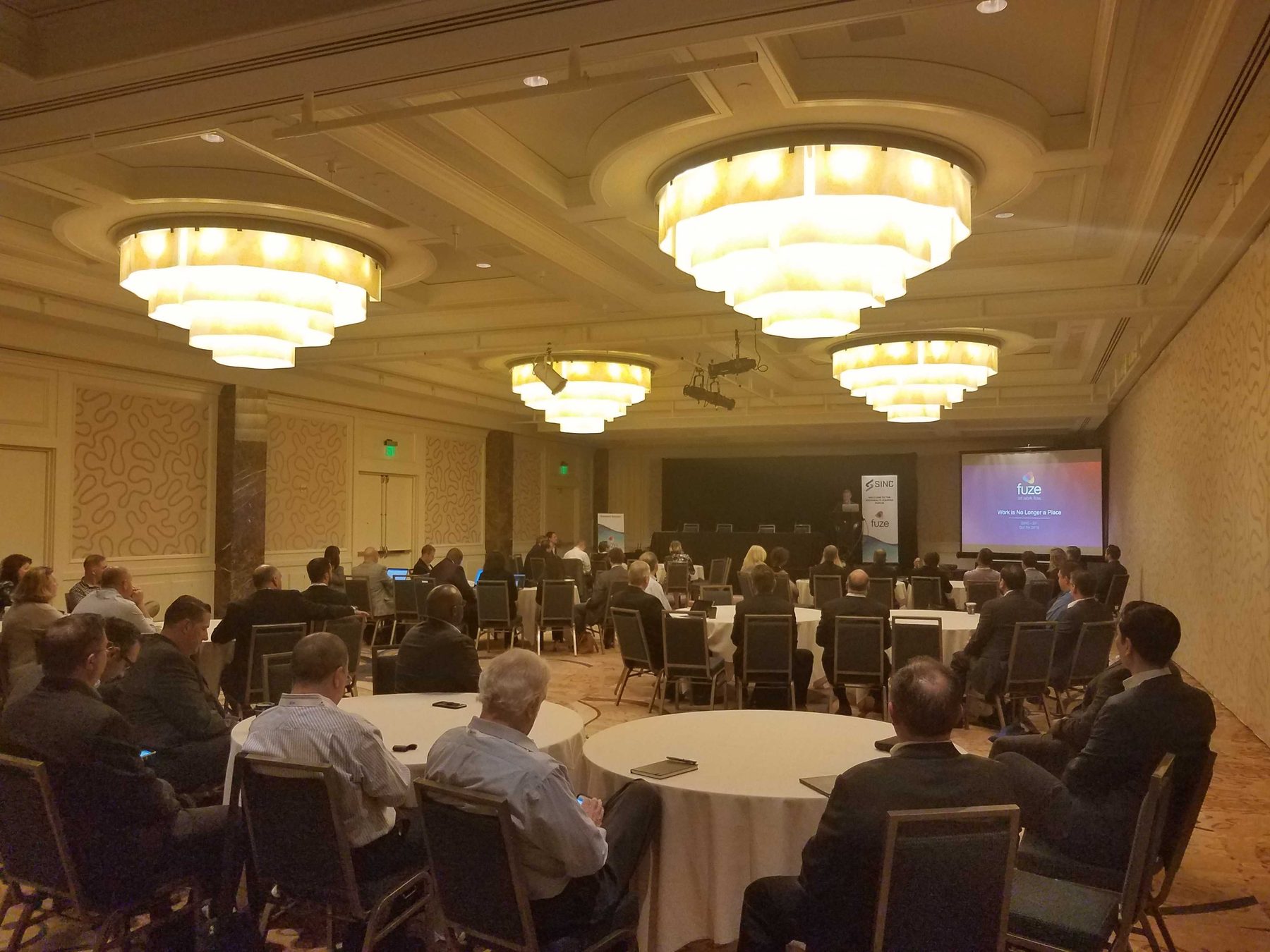
The infrastructure layer in view
Diagrams, environments, hardware, and references showing how Solara Imprint supports networks, data centers, and systems built to stay legible.
The philosophy behind the backbone
Infrastructure is part of the social and ethical fabric, not only the technical one. These four principles decide what gets built.
Signal ethics
Systems should make clear what they are doing, for whom, and why. Transparency and consent over black-box complexity, wherever there is a choice.
Light as ledger
Records and logs exist for clarity and accountability, not control. Important flows should be auditable, understandable, and improvable.
Encoded purpose
Every deployment ties to a stated human-centered aim, so code, hardware, and configuration serve that purpose instead of drifting from it.
Interface as invitation
Built to invite understanding and stewardship, so people are co-stewards of their systems rather than passive users of something opaque.
Talk with Solara Imprint
Bring one system that keeps losing its own memory, a process only one person understands, a codebase nobody wants to touch, a tool your team keeps re-explaining itself to. Describing it costs nothing and it is where every engagement starts. Use the contact form, or call (512) 808-0153.
Ways to work with Solara Imprint
Build the backbone with intention.
Explore consulting. If you need help designing or refining infrastructure, networks, or deployments so they stay useful and legible over time.
Start a system. If you are building from scratch and want guidance on data centers, mesh networks, open-source stacks, or specialized hardware that fit your real constraints.
Train your team. If the thing you actually need is people who know how to work with intelligent systems properly, rather than another tool nobody adopts.
Explore consulting · Start a system · Train your team
Ideas → Activation